How to Choose the Right Coffee Table
Furniture retailers report that multifunctional living room furniture continues to outperform single-purpose pieces, largely because homes now ask one seating area to support lounging, working, eating, and entertaining. Within that shift, coffee tables have become one of the highest-impact decisions in a room because shape, height, storage, and finish all affect comfort as much as style. A smart choice is less about chasing a designer coffee table and more about matching the table to movement patterns, maintenance tolerance, and the way your household actually uses the space.
Quick Comparison: Popular Coffee Table Styles at a Glance
This is a discover guide, not a store category page, so the goal is to compare trade-offs before you buy. The best coffee table is usually the one that fits your room size, supports your daily habits, and stays within budget without creating maintenance you will resent.
Style | Best for | Typical materials | Key pros/cons | Upkeep level |
|---|
Round coffee tables | Tight layouts, family homes, sectional sofa setups | timber, glass, marble-look, concrete-look | Safer corners and easier flow, but less surface area | Low to medium |
Rectangle coffee tables | Standard sofas, long rooms, entertaining | solid wood, oak timber, glass, metal | Most usable top space, but can feel bulky | Low to medium |
Square coffee tables | Large seating zones, modular layouts | solid oak, timber, stone-look, metal | Balanced reach, but needs more floor space | Low to medium |
Nesting coffee tables | Small space living, flexible hosting | timber, glass, metal | Expandable and adaptable, but lighter sets can shift | Low |
Lift-top and storage coffee tables | Multifunctional living furniture | solid wood, engineered timber, metal | Hidden storage and better ergonomics, but heavier and pricier | Medium |
Storage usually adds utility but reduces visual lightness, while slimmer silhouettes often look better than they perform. That trade-off matters because a modern coffee table can either calm a room or make it feel crowded, especially in compact homes.
Option 1: Round Coffee Tables
Round coffee tables work best where walkway space is limited and sharp corners would interrupt circulation. In family homes, that softer profile reduces bump risk, and with a sectional sofa or curved seating, the shape usually feels more intentional than a rectangle.
Common options include timber, glass, marble-look, and concrete-look finishes, each changing the table's visual weight. A round top can soften a room full of boxy living furniture, which is why designers often use it to break up angular sofas, media units, and rugs.
Pros
Easier circulation around seating
Fewer hard corners in high-traffic homes
Helps soften rigid room geometry
Works especially well with curved or modular seating
Cons
Offers less usable surface area than a rectangle with a similar footprint
Can make trays or books feel less anchored on some edge-free designs
May look undersized beside a long standard sofa
For a small space, a round profile often solves more layout problems than it creates. The key limitation is capacity, so households that use the table for meals, laptops, and serving may outgrow it quickly.
Option 2: Rectangle Coffee Tables
Rectangle coffee tables remain the default choice because they align naturally with standard three-seat sofas and long living rooms. Their biggest advantage is usable top area, which matters when the table needs to hold drinks, books, remotes, and décor at the same time.
This shape is also the easiest to find with drawers or a lower shelf, making it a practical bridge between display and storage. In solid wood, solid oak, or oak timber, the form feels timeless, while glass and metal versions push it toward a cleaner modern coffee table look.
Pros
Maximizes usable top space
Matches the lines of most sofas
Often available with shelves or drawers
Strong choice for entertaining and everyday function
Cons
Can feel bulky in compact lounges
Sharp corners are less forgiving in active homes
May dominate the room if the proportions are too deep
If your room is narrow, this shape usually performs best when paired with disciplined sizing. A rectangle that is too large does more damage to comfort than a smaller style ever would, because poor clearance affects every trip through the room.
Option 3: Square Coffee Tables
Square coffee tables suit large sectionals, symmetrical seating plans, and open-plan rooms that need a clear center point. Their strength is equal reach from multiple seats, which makes conversation zones feel balanced rather than stretched.
This shape pairs particularly well with modular sofas because both rely on proportion and symmetry. In solid oak, timber, or stone-look finishes, a square table can read as architectural, which is why it often appears in higher-end living furniture collections.
Pros
Easy access from several seats
Creates a strong visual anchor
Looks deliberate in larger layouts
Complements modular and symmetrical arrangements
Cons
Needs generous floor area
Can crowd smaller rooms quickly
Harder to navigate when walkways are narrow
A square table usually succeeds or fails on room scale, not style. If the seating zone is broad enough, it feels composed; if not, it turns the center of the room into an obstacle.
Option 4: Nesting Coffee Tables (Sets of 2)
Nesting coffee tables are one of the most practical options for apartments and flexible living rooms because they expand only when needed. A nest of 2 gives you extra surface area for guests, then tucks back in to restore floor space.
Round nesting sets are especially useful in a small space because they preserve movement while still offering layered function. Mixed-height pairs can also double as side tables, which means one purchase can solve more than one furnishing problem.
Pros
Adaptable footprint for changing needs
Smaller table can move beside a chair or sofa
Excellent for entertaining in compact homes
Usually lighter and easier to reposition
Cons
Can look less cohesive if finishes clash with nearby furniture
Lightweight sets may shift on a thick area rug
Usually provide less hidden storage than fixed designs
This style is ideal when flexibility matters more than permanence. It is rarely the most sculptural option, but it often delivers the best real-world performance for renters, smaller homes, and people who rearrange often.
Option 5: Lift-Top and Storage Coffee Tables
A lift-top coffee table or storage coffee table is built for rooms that do double duty as office, dining nook, and lounge. The lift mechanism improves posture for laptop use and casual meals, while drawers, shelves, or a hidden compartment reduce visible clutter.
These models are heavier and more mechanical than simpler tables, so hardware quality matters. Smooth hinges and safe closing mechanisms are not luxury details; they determine whether the table feels reliable after a year of daily use.
Pros
Adds storage without needing another cabinet
Makes work and dining from the sofa more comfortable
Helps keep remotes, chargers, and blankets out of sight
Useful in smaller homes where every piece must multitask
Cons
Heavier and often more expensive
Moving parts need occasional adjustment or maintenance
Bulkier bases can reduce the airy feel of a room
For multifunctional homes, utility often outweighs purity of form. A storage-focused design may not read like a minimalist designer coffee table, but it can dramatically improve how the room functions day to day.
How to Choose: Size, Height, and Placement Rules That Work
A reliable size rule is to choose a table about two-thirds the length of your sofa, because that proportion usually looks balanced without swallowing the seating area. Height matters just as much: keep the tabletop near sofa seat height, or slightly lower, so reaching for a drink does not feel awkward.
For spacing, maintain enough clearance between the table and seating to move comfortably while still keeping items within reach. Good placement protects walkway space, and that is the difference between a room that looks styled and one that actually works.
Measure Your Room in 5 Minutes
Mark the proposed footprint with masking tape before buying. This quick test reveals conflicts with rug edges, recliners, storage doors, and door swings that product photos never show.
Small-Space Shortcuts
Choose round coffee tables or nesting coffee tables when circulation is tight. Glass tops and slim legs also reduce visual weight, which helps a small space feel open even when the table dimensions stay practical.
Materials and Finishes: What Holds Up Best Day-to-Day
Timber is the safest all-rounder because it adds warmth, hides minor wear better than glossy surfaces, and suits both casual and refined interiors. Solid wood, solid oak, and oak timber tend to age better than cheaper veneers, but they still need coasters to prevent water rings and dents.
Glass keeps a room visually light, which is useful when a table might otherwise feel bulky. It shows fingerprints quickly, though, so the clean look depends on regular wiping rather than durability alone.
Marble and concrete-look finishes create strong visual impact, but weight, sealing needs, and chip risk deserve equal attention. A marble-look top can deliver the statement without the maintenance burden of natural stone, which is often the smarter compromise for busy homes.
Maintenance and Care Basics
Use coasters, felt pads, and material-safe cleaners. Harsh abrasives can scratch glass and damage sealed stone surfaces, while dragged décor can mark even durable finishes.
Kid- and Pet-Friendly Picks
Rounded edges and sturdy bases reduce bumps and tipping risk. Matte or textured finishes also hide daily marks better than high-gloss surfaces, which makes them more forgiving in active households.
Styling and Practical Add-Ons
The easiest styling formula is the rule of three: a tray, a small stack of books, and one taller object. That mix creates structure without sacrificing function, and it keeps the table useful for cups, remotes, and everyday living.
An area rug should visually support the table rather than leave it floating. When the rug is too small, even a well-chosen table can look disconnected from the rest of the room.
What to Put on a Coffee Table
Useful staples include trays, coasters, candles, a small plant, and a bowl for keys or remotes. Keep objects low if the TV sightline matters, because styling should never compete with comfort.
Finishing Touches That Look Expensive
Mix materials such as wood and metal or stone and linen to create contrast. Repeating one accent finish, such as brass, black, or an oak tone, elsewhere in the room makes the table feel integrated instead of isolated. Pair your coffee table with complementary homewares like a textured tray, a layered cushion on the nearby sofa, or a small sculptural object to tie the look together.
FAQs
What size coffee table should I get?
Aim for a table about two-thirds the length of your sofa. Leave enough clearance between the table and seating to move comfortably without compromising reach.
How high should a coffee table be?
Keep the tabletop roughly level with your sofa seat height or slightly lower. That height feels natural for drinks, books, and relaxed everyday use.
Is a round or rectangular coffee table better?
Round tables are better for tight layouts, safer circulation, and family-friendly rooms. Rectangular tables offer more surface area and usually pair best with standard sofas.
What is the best material for a coffee table?
It depends on lifestyle more than trend. Timber is warm and durable, glass feels light but shows marks, and stone or marble looks striking but can be heavier and higher maintenance.
The right table is the one that fits your room's movement, your household's habits, and your tolerance for upkeep. When shape, scale, material, and function align, a coffee table stops being filler and becomes one of the most useful pieces in the living room. Browse the full coffee tables collection at Hunter Home, or explore our Clearance Range for additional savings on selected designs.
 MSRP: $1,299Now $949
 MSRP: $1,399Now $999
 MSRP: $1,699Now $1,444
 MSRP: $2,299Now $1,699
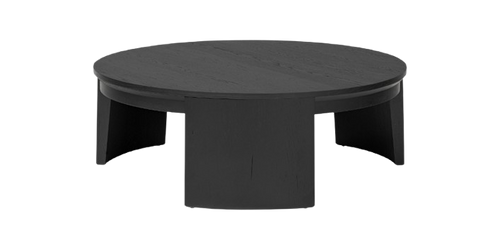 MSRP: $2,299Now $1,149
 MSRP: $1,499Now $749
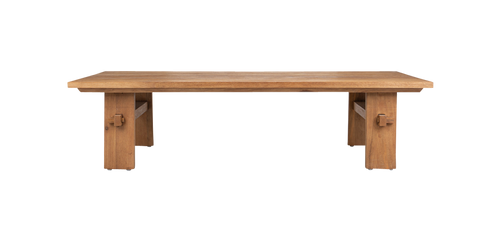 MSRP: $1,399Now $849
 MSRP: $899Now $519
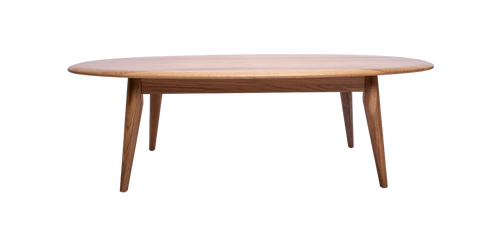 MSRP: $1,699Now $1,279
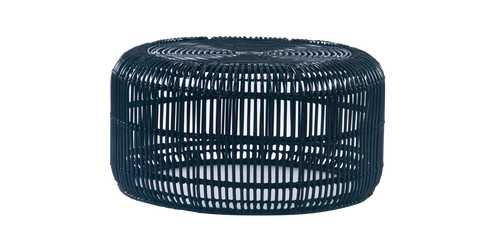 MSRP: $875Now $349
 MSRP: $849Now $399
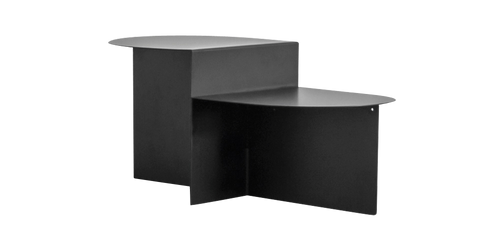 MSRP: $1,199Now $699

 MSRP: $399Now $249
 MSRP: $799Now $449
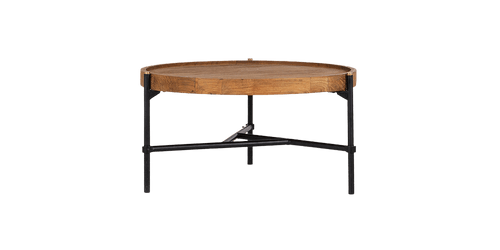 MSRP: $599Now $319
 MSRP: $1,649Now $599